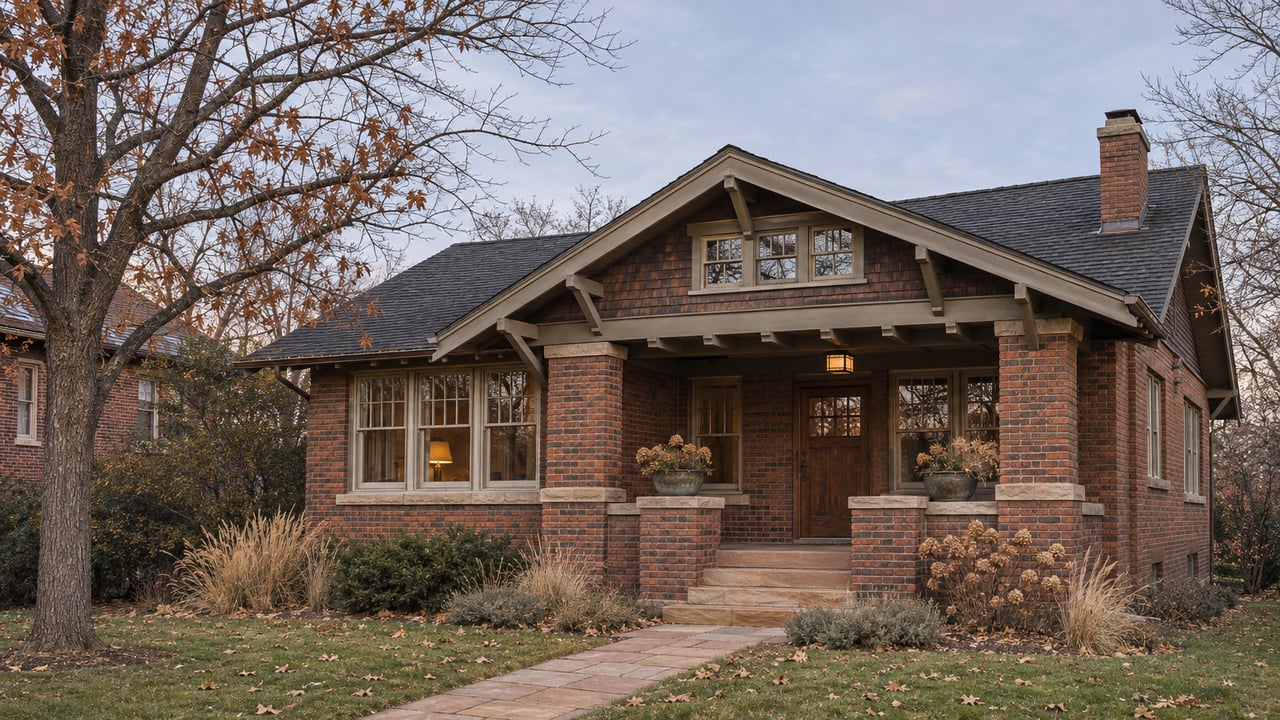
At 1211 S. Corona St. in West Wash Park, a century-old brick bungalow was on track this summer to become a two-story, 5,100-square-foot house with six bedrooms, two offices, a basement theater room and a rooftop deck. The plan kept the front porch and the brick. The owners paid just over $1 million for it in May 2023. Matt Plowman, general manager of Able Construction & Remodeling, runs the project, and he told The Denver Post that "it would have been a lot easier to scrape the lot and start from scratch," Hoodline reported in late August.
On the east side of the park, the house at 800 S. Franklin St. went the other way. It was bought in February 2025 as a teardown. Seven months later the house was the subject of a public hearing.
Both houses are the kind of original Wash Park home buyers see on every search, and each one shows what buying it actually commits you to. The asking price is the same for everyone who tours it, and the right offer depends on the plan. If you plan to expand, you're paying for the structure. If you plan to scrape, you're paying for the dirt plus a calendar you don't fully control. Decide which plan you're following before you write the offer, because that decision tells you what number to write.
The Corona Street house kept its bones and changed everything else
The Corona Street project goes well beyond a cosmetic refresh. As Hoodline described it in August, the plan expanded the basement downward rather than pouring a new foundation, taking the ceiling from roughly 7 feet to 9.5 feet. It salvaged matching brick for a new rear wall and added structural support so the rooftop deck could carry snow and a hot tub. Engineered trusses allowed interior walls to come out without weakening the structure. The finished plan is about the size of many new builds, with a 100-year-old face on the street.
As of Hoodline's August report, the project was expected to finish in September.
For a design-minded buyer, the takeaway is that keeping the original house doesn't limit you to what's there today. The Corona Street plan has the bedroom count, the offices and the rooftop that people usually assume require a scrape. It also keeps the porch and the brick, which no new build on the block can copy.
The Franklin Street house turned into a public calendar
The 800 S. Franklin property shows how long the scrape path can run on a house the neighborhood cares about. The property sold in February 2025 as a teardown, and a demolition application followed on May 19, 2025. The Washington Park East Neighborhood Association shared the demolition notice, which was posted starting June 6.
A landmark designation application followed that summer. On Sept. 16, 2025, Denver's Landmark Preservation Commission split 3 to 3 on whether to send it to City Council, and the application went no further, BusinessDen reported.
From the February sale to the September vote was seven months. BusinessDen's earlier coverage noted that replacing older Wash Park homes with larger, more modern ones is not uncommon. A scrape buyer here should budget for a public calendar alongside the construction one.
What each plan costs in time and money
The Denver Post put the cost question in its August headline, "Renovating old Denver homes can be cheaper than teardowns." As of August 2026, Hoodline reported that renovating instead of building new usually costs about 15% to 20% less when the existing structure has good bones, and that additions in the Denver metro generally run $200 to $600 or more per square foot. Where a project lands in that range depends on structural engineering, foundation piering and finish level. That's a wide range, and the house itself decides where you land in it. A solid brick bungalow with a sound foundation is at the low end. One that needs piering and a new structure is at the high end, and at that point it's already halfway to a scrape.
That's why the same listing is worth different amounts to different buyers. The expansion buyer is paying for walls, a foundation and a facade they plan to keep, so the condition of those three things shapes their offer. The scrape buyer will throw those things away, so their offer is shaped by the lot and by how much time they can absorb between closing and breaking ground. Franklin Street shows that time can be measured in seasons.
This is general market information, not legal, tax or financial advice. Get your own numbers from a licensed contractor, architect and lender before you commit to either plan.
Why October's numbers help the buyer who decides first
Denver's market has given buyers more room this fall. In its October 2026 report, the Denver Metro Association of Realtors counted 2,748 closings across the metro in October. That was down 23.54% from October 2025 and the lowest October since 2010. Active inventory rose 3.87% year over year. Sellers gave concessions in 65% of October sales, averaging $12,557. Those are metro-wide figures. Even so, more homes on the market, fewer closings and concessions in most deals mean a seller is more likely to engage with an offer backed by a clear reason.
The top of the market is still moving. In DMAR's $1 million-plus segment, the year-to-date median days on market was 16, even though October closings in that tier fell 24.05% from a year earlier. So the finished product near Wash Park still finds buyers. Domani Development's new custom home at 1860 E. Cedar Ave., south of Denver Country Club in an area some people call "North Wash Park," sold for $8.35 million in five days last fall, according to the Denver Gazette.
The original bungalow sits at the other end of the market, where a buyer's plan shapes the offer most. An expansion buyer can point to the foundation, the brick and the basement height to back up their number. A scrape buyer can point to the months between closing and construction. In a month when most sellers are already giving concessions, either argument carries weight. It only works if the buyer knows which plan they're following before the inspection, because the inspection findings matter differently depending on the answer. Three questions are worth settling before that offer goes in: whether the foundation can support a second story or a deeper basement, what the finished square footage needs to be, and how many months you can carry the property before the work starts.
If there's an original Wash Park bungalow on your list and you haven't decided whether you'd keep it or scrape it, settle that before the offer goes in. Joey Hoisescu and The Lighthouse Collective can walk the house with you, tell you what the bones are worth to your plan, and help you write an offer that reflects it. If you already own one and want to know what it's worth to a buyer on each plan, start with a free home valuation.