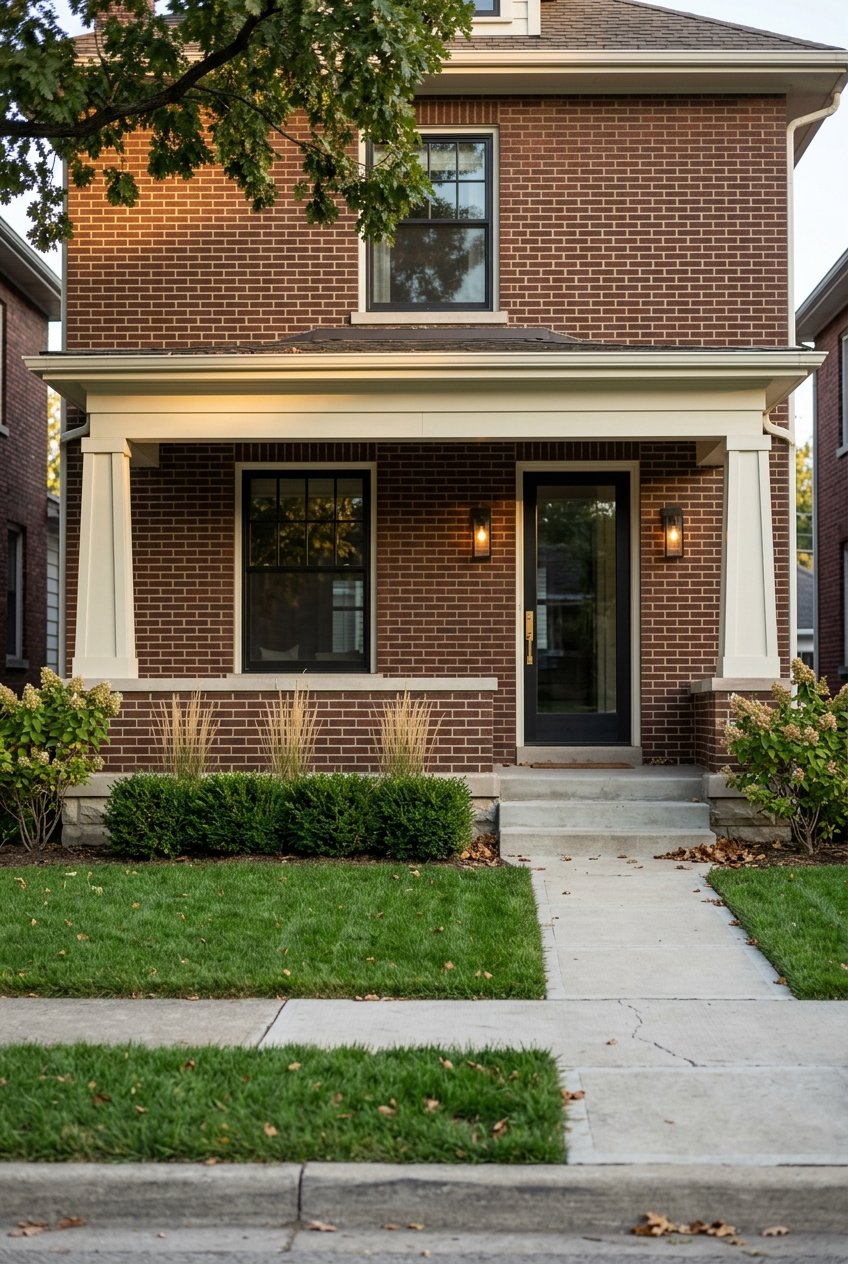
Buying your first home in central Denver can feel exciting right up until the details start stacking up. In 80205, you are not shopping one simple market, and you are not navigating a slow, forgiving process. This roadmap will help you understand what to expect, how to prepare, and where first-time buyers often get tripped up so you can move with more clarity and less stress. Let’s dive in.
Understand 80205 as micro-markets
One of the biggest mistakes first-time buyers make is treating 80205 like one uniform area. In reality, this ZIP code includes places such as North Central Denver, City Park West, Cole, Whittier, Clayton, Curtis Park, and North City Park, along with several smaller subareas. That means pricing, housing style, and pace can shift block by block.
This matters because your experience may look very different depending on what you want. A condo, townhome, or detached home in one pocket of 80205 may compete differently than a similar home a few minutes away. If you go in expecting one average number to tell the whole story, you can miss the real opportunities and the real tradeoffs.
What the market looks like now
Recent market trackers paint a slightly different picture, but they point to the same practical takeaway. Redfin shows 80205 as very competitive, with a median sale price of $606,318 and a median 24 days on market over the three months ending April 2026. Realtor.com labels the ZIP code balanced, with 200 homes for sale, a median list price of $615,000, and a median 34 days on market in March 2026.
Put simply, you should still be ready to act when a well-priced home hits your criteria. Denver overall is posting a median sale price of $609,685 and 19 days on market as of April 2026, so 80205 is trading close to the citywide middle rather than as a major bargain pocket. On top of that, Freddie Mac reported the average 30-year fixed mortgage rate at 6.53% on May 28, 2026, which means your monthly payment deserves just as much attention as the purchase price.
Choose the right property type
In central Denver, your first home might be a condo, a townhome, or a detached house. The right fit usually comes down to budget, maintenance preferences, monthly carrying costs, and how long you expect to stay. It is often less about finding a perfect property and more about choosing the best tradeoff for your life right now.
A condo may offer a lower entry point, but you need to understand HOA rules and dues. A townhome can give you more privacy and space while still coming with association oversight in many cases. A detached home may offer more control, but it often comes with higher price points and more maintenance responsibility.
Historic homes need extra thought
80205 includes historic areas such as Curtis Park and the Five Points Historic Cultural District. Denver notes that Landmark Preservation reviews exterior changes that require a permit for properties in historic districts. If you are drawn to architecture, character, and older homes, that can be a major plus, but it also means you should understand renovation limits before you buy.
This is especially important if you already have plans to change windows, alter a facade, or tackle a larger exterior remodel after closing. What looks simple on day one may require city review. In a neighborhood with real architectural history, the charm is part of the value, but so are the rules that protect it.
Get financing lined up before touring
Before you start serious home tours, get preapproved and compare more than one lender. Colorado’s Division of Real Estate recommends shopping lenders because they will review your credit, income, and assets to estimate a realistic price range. That step helps you avoid falling in love with homes that do not fit your true payment comfort zone.
Preapproval also matters because Colorado contracts are legally binding and packed with deadlines. If you wait until after you find a home to sort out financing, you are already behind. In a market where good listings can still move quickly, strong preparation gives you better options and less panic.
First-time buyer programs to know
Two programs are especially relevant for Denver-area buyers: CHFA and metroDPA. Each has its own rules, so the key is finding out early whether your income, credit profile, and target property type fit.
CHFA requires borrowers using a CHFA first mortgage loan program to complete a CHFA-approved homebuyer education class before closing. Its Down Payment Assistance Grant offers up to the lesser of $25,000 or 3% of the first mortgage and does not require repayment. CHFA also offers a Down Payment Assistance Second Mortgage Loan of up to the lesser of $25,000 or 4% of the first mortgage, deferred until payoff, sale, refinance, or when the home is no longer your primary residence. CHFA also requires a minimum financial investment of $1,000.
Denver’s metroDPA program is another path worth exploring. The city says metroDPA offers 30-year fixed-rate mortgage loans with assistance for down payment, closing costs, and prepaids. It does not require you to be a first-time buyer, it has no minimum borrower investment, and in some cases eligible borrowers may buy with no money down. The program also requires homebuyer education and uses income, credit, and property guidelines, including a minimum FICO score as low as 620.
Build your budget around the full payment
A first-time buyer budget should be bigger than principal and interest. In 80205, you also need to factor in homeowner’s insurance, property taxes, HOA dues if applicable, and any special district assessments tied to the property. If you stretch to the top of your approval range without planning for those costs, the payment can feel very different after closing.
You should also keep a repair and move-in cushion. New owners often underestimate utility setup, movers, paint, blinds, minor fixes, and the random costs that appear in the first few months. A smart purchase is not just one you can close on, but one you can comfortably carry.
What happens after your offer is accepted
Once you are under contract, the clock matters. Colorado’s standard sales contract is detailed, legally binding, and deadline-driven. The Division of Real Estate says time is of the essence, and earnest money is usually delivered with the contract unless the parties agree to another deadline.
Earnest money is generally held by a title company. The contract also lays out remedies if either side defaults, so this is the stage where organization matters most. You do not want to wing it once signatures are in place.
Your under-contract sequence
A practical 80205 timeline usually looks like this:
- Submit your offer and earnest money
- Receive seller acceptance
- Schedule inspections quickly
- Review title materials and HOA documents while deadlines are active
- Keep your lender moving on appraisal and underwriting
Colorado contracts commonly include financing, appraisal, inspection, survey, title, and HOA-document contingencies. The appraisal is typically ordered by the lender. Every one of those moving parts has its own timing, so staying proactive protects your options.
Inspections are not a formality
For first-time buyers, the inspection phase is one of the most important parts of the process. The Colorado Division of Real Estate says a home inspection is a limited review of the property’s general condition and major systems such as the roof, furnace, and plumbing. Depending on the home, additional inspections may also make sense, including a sewer scope or structural engineering review.
Just as important, the deadlines are real. Under the Colorado contract, an inspection objection must be delivered by the inspection objection deadline. If the issue is not resolved by the inspection resolution deadline, the contract terminates unless you withdraw the objection in writing.
That means you need to schedule inspections immediately after going under contract, not several days later when calendars are tighter. In older central Denver housing stock, speed and thoroughness both matter.
HOA review can shape the deal
If you are buying a condo or townhome, HOA review is a major checkpoint. The Colorado DRE advises buyers to review CC&Rs, ask about common elements, restrictions, assessments, and possible special assessments, and verify whether the HOA is registered. You should also ask your lender whether HOA questionnaires will be needed, since HOA information can affect loan approval.
This is one area where first-time buyers can get surprised. A unit may look like a great value at first glance, but monthly dues, upcoming projects, or restrictive rules can change the picture fast. Do not treat HOA documents like background paperwork. They are part of the financial story of the home.
Closing takes planning too
Closing is the final stage, but it is not just a quick signing appointment. It is when the loan becomes final and funds are distributed, and in Colorado it is typically handled in person at the title company. Some closings can also stretch over several weeks if signatures are collected separately, so it helps to stay flexible and responsive.
One of the most important documents at this stage is the Closing Disclosure. Your lender must deliver it at least three business days before closing, which gives you time to compare final costs and terms with your earlier Loan Estimate. Use that window. Do not assume any last-minute issue can be cleaned up overnight.
Final checks before you sign
Before closing day, make time for a short but focused review:
- Compare the Closing Disclosure with the Loan Estimate
- Ask about any fee changes you do not understand
- Review the promissory note and escrow documents
- Inspect the home before closing
- Confirm any agreed repairs are complete
Colorado contracts also prorate taxes and association assessments to the closing date, so your closing statement may include adjustments you were not expecting if you have never purchased before. Seeing those line items in advance can make the final numbers easier to understand.
What smart first-time buyers do after closing
Getting the keys is a milestone, but your roadmap should include the months after closing too. The most common budgeting mistake is underestimating recurring ownership costs and future repairs. Taxes can rise over time, and assistance funds may not cover every gap you hoped they would.
For example, Denver’s metroDPA materials state that assistance can be used for down payment, closing costs, prepaids, or principal reduction, but not for the gap between sale price and appraised value or for real estate commissions and fees. That is why it helps to keep some cash in reserve even if you are using a strong assistance program.
If you are buying your first place in 80205, the best approach is simple: stay organized, understand the deadlines, and think beyond the front-end purchase price. In a central Denver market with mixed housing types, historic housing stock, and fast-moving well-priced listings, a clear plan can make all the difference.
If you want a buyer process that is strategic, candid, and easy to follow, Joey Hoisescu can help you navigate central Denver with clarity from preapproval to closing.
FAQs
What should a first-time buyer expect in Denver 80205?
- You should expect a mix of micro-markets, housing types, and price points, with well-priced homes often requiring quick decisions even though market trackers describe the ZIP code slightly differently.
What financing help is available for first-time buyers in Denver?
- Buyers in Denver may want to explore CHFA and metroDPA, both of which can help with down payment or closing costs if you meet their income, credit, education, and property requirements.
What property types are common in central Denver 80205?
- You will typically find condos, townhomes, and detached homes, so your search should focus on the best fit for your budget, maintenance comfort, and long-term plans.
What should buyers know about historic homes in 80205?
- If a property is in a historic district such as Curtis Park or the Five Points Historic Cultural District, exterior changes that require permits may also require Landmark Preservation review.
What happens during the inspection period in Colorado?
- After your offer is accepted, you should schedule inspections quickly, review findings carefully, and track the inspection objection and resolution deadlines because those dates can affect whether the contract continues.
Why do HOA documents matter for condos and townhomes in Denver?
- HOA documents can affect your monthly costs, property rules, lender approval, and potential future expenses, so they are an important part of your due diligence before closing.
When do buyers get the Closing Disclosure in Colorado?
- Your lender must deliver the Closing Disclosure at least three business days before closing so you can review the final terms and compare them with your earlier Loan Estimate.
What costs should new homeowners budget for after closing in Denver?
- You should plan for your mortgage payment, insurance, property taxes, utilities, repairs, and any HOA dues or special assessments, along with a reserve for unexpected expenses.