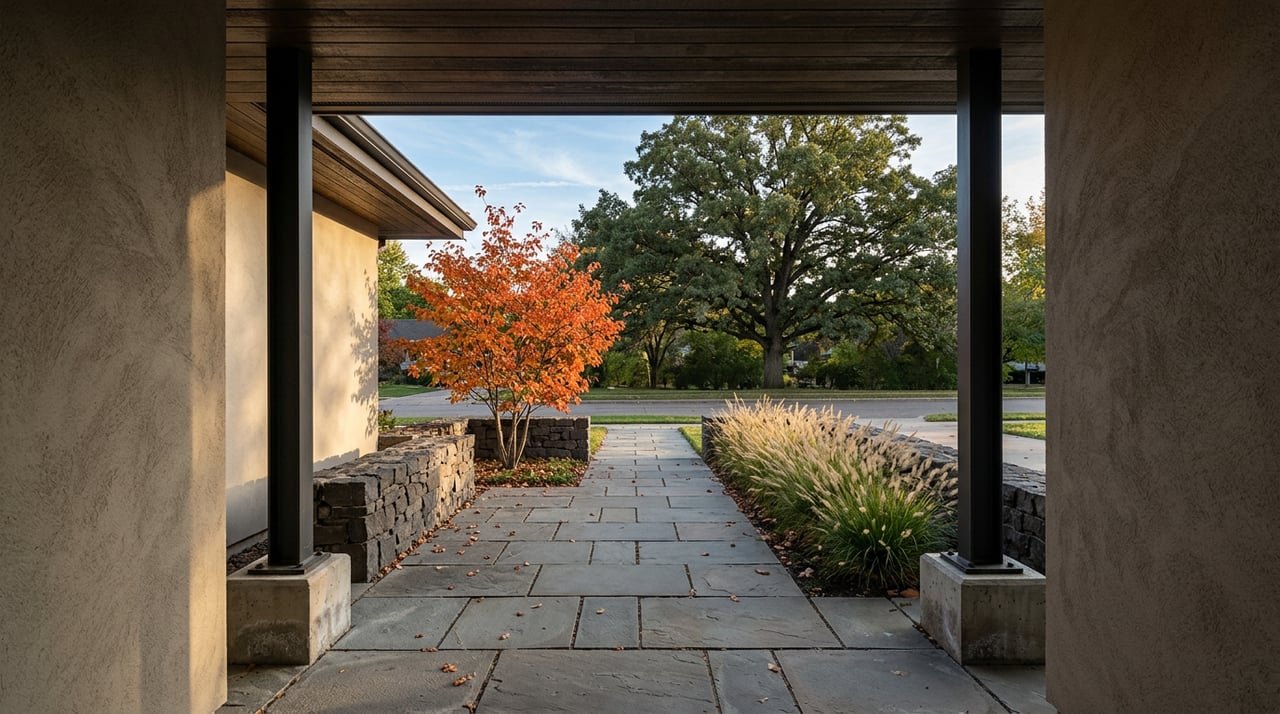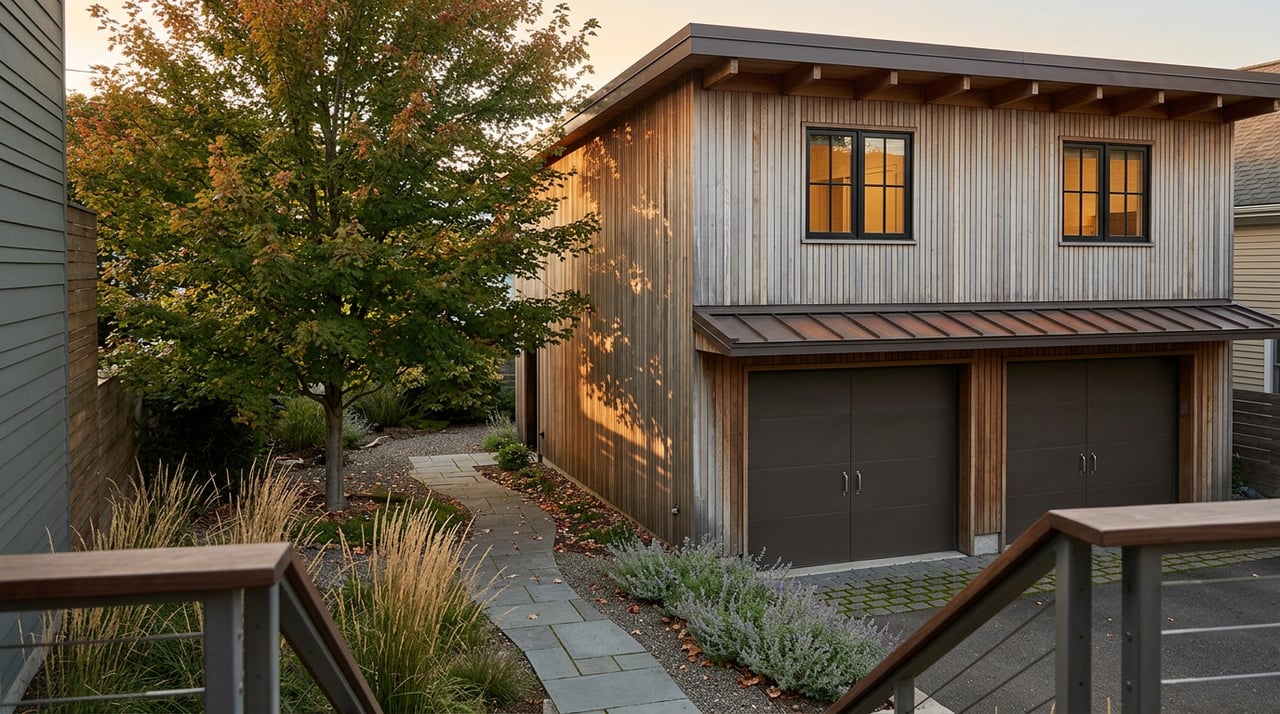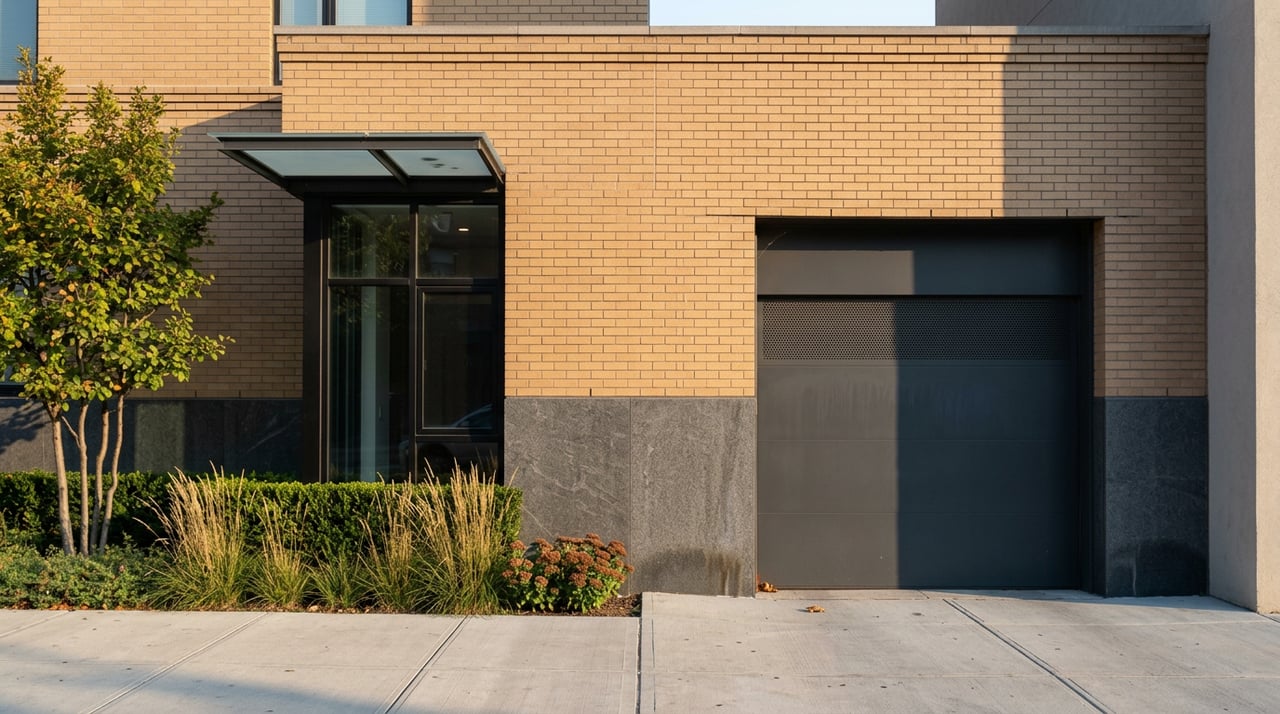
Two sellers list on the same Friday in July. One owns a 1908 Victorian on a Highland block near Highlands Square. The other owns a 2016 LoHi townhome three blocks from the Highland Bridge. Same asking price. Same agent. Two weeks later, the townhome has a signed contract at 99% of list, and the Victorian has three showings, one lowball, and a buyer's agent asking about the sewer scope. That gap is the story of the Denver market right now, and it is almost entirely fixable before the listing goes live.
The 20-day gap DMAR just put in writing
The June 2026 Denver Metro Association of Realtors report is the first one this cycle to make the split impossible to ignore. Detached homes closed with a median of 14 days on market. Attached homes sat for 34. Both segments cleared near a 99% close-price-to-list-price ratio, and detached prices ticked up 1.5% year over year to a $675,000 median across the metro. Buyers are not refusing to pay. They are refusing to pay for anything that requires a follow-up phone call.
| Segment (Denver Metro, June 2026) | Median DOM | Close-to-List | YoY Price |
|---|---|---|---|
| Detached | 14 days | ~99% | +1.5% |
| Attached | 34 days | ~99% | -2% |
Amanda Snitker, who chairs the DMAR Market Trends Committee, described the shift as buyers "running their fingers along windowsills, checking the age of the water heater and asking pointed questions about the roof before they've even looked at the kitchen." Read that again with a Potter-Highlands foursquare in mind. That is the deal you are walking into.
What "turnkey" actually means on a Highland block
The Highland and LoHi housing stock is not one product. It is two, sitting on adjacent parcels. LoHi single-family medians ran around $1.15 million in early 2026, with new-construction moderns regularly crossing $1.8 million. West Highland has trended roughly 15% below LoHi on a per-square-foot basis, with the gap narrowing as buyers who lost bids on LoHi infill migrate west into Victorian and bungalow stock.
The buyer sitting in your open house next month has usually toured both. They are pricing your 1912 bungalow against the 2019 townhome they saw yesterday. If your home was built before 1950, the turnkey premium hits three ways at once: original systems that inspectors flag on sight, a disclosure form that just got sharper teeth, and a first-14-days window that closes fast.
The four inspections to run before the sign goes in
Ordering a buyer-style inspection stack on your own property, before listing, is the single move that most reliably closes the DOM gap. Prices below reflect current Denver-area ranges for the most common findings in Highland and LoHi housing stock.
1. Sewer scope. Noble Property Inspections and other local firms flag pre-1980 lines almost universally, and the Highland tree canopy is exactly the mature elm-and-maple root system that finds every joint in clay tile or Orangeburg pipe. Denver-front-range sewer repairs average around $7,500 per Sewer View, with National Property Inspections putting the full range at $5,000 to $15,000 and some jobs exceeding $25,000. If you get a scope back with roots and a belly, you have two weeks to price a repair credit rather than lose leverage during the inspection objection. If it comes back clean, that video is the single most valuable piece of paper you hand a buyer's agent.
2. Electrical panel. Federal Pacific and Zinsco panels are on every serious inspector's red-flag list because both have documented failures to trip during overcurrent events. Buyers now walk to the panel first. Replacement runs a few thousand dollars and preempts a financing-related objection from insurers who are increasingly refusing to bind policies on either brand.
3. Supply lines. Noble estimates that swapping galvanized steel for PEX or copper in a Denver bungalow runs $4,000 to $8,000. You do not have to do the work. You have to know the answer when the buyer asks, because "I'm not sure" reads as $8,000 in a buyer's head and $2,000 in yours.
4. Furnace and water heater age. Snitker's line about buyers checking the age of the water heater is not a metaphor. Cracked heat exchangers on furnaces older than 20 years are the second most common Highland inspection finding after sewer. Have the model numbers, install dates, and last service invoice on the counter at the first showing.
For sewer disputes specifically, Pipe Spies has operated in the Denver metro since 2008 on an inspection-only model, which makes them useful as a second opinion when a buyer's scope report reads worse than the actual pipe warrants. That distinction saves five figures on some Highland deals.
SPD19 changed the seller's math on January 1
The Colorado Real Estate Commission's updated Seller's Property Disclosure form, SPD19, has been mandatory since January 1, 2026. The form limits disclosure to the seller's "current actual knowledge," which sounds protective until you realize the practical effect. The moment your pre-list sewer scope comes back with a belly at the alley, you know. From that point forward, you either fix it, credit it, or disclose it. There is no fourth option.
The other January 1 change matters more than most sellers realize. Paragraph 5.3 was removed from the listing contract, so brokers now need explicit written consent to share a seller's confidential information, including motivation to sell and willingness to accept below asking, with anyone outside the immediate representation, per Inman's coverage of the rule change. Ask your agent how they are handling that consent in writing before the listing goes up.
Pricing to the first 14 days, not the tired comp
DMAR's June report was direct about the mechanic:
"The first 14 days a new listing is on the market continue to be the most important. Homes that don't hit the mark with buyers right away are more likely to sit longer, possibly leading to a lower net sales price."
The comp set that matters is not the average of everything sold in your ZIP over the last six months. It is the subset of homes that went under contract inside 14 days. Those are the properties the July buyer has actually bid on. Your list price needs to sit inside that band, and the pre-list inspection packet is what lets you price at the top of it rather than the middle.
Susan Thayer of DMAR noted in the Denver Gazette that upper-range detached activity has strengthened even as summer buyer traffic softens. That is Highland's tailwind. The Highland median has continued to climb into the summer, but only for homes that give a buyer nothing to negotiate against.
Fix, credit, or re-list
Once your inspection stack comes back, you have three levers. Use them in this order.
- Fix items that are cheap relative to the deal-killing effect. Panel swaps, water heater replacements, and sewer point repairs almost always pay for themselves in reduced buyer leverage during the inspection objection window.
- Credit items that are expensive, visible, and honest. A $9,000 sewer repair credit up front, disclosed in the MLS remarks, keeps the 14-day window intact.
- Re-list only as a last resort. DMAR data shows homes that hit the market and sit typically close for less than homes that were priced correctly on day one. The re-list clock does not reset the buyer's memory.
For attached-product sellers in LoHi, the concession playbook Thayer described is worth building into your reserve pricing from the start: covering a year of HOA dues, a temporary rate buy-down, or a closing-cost credit tends to move a LoHi townhome faster than a $15,000 price cut of equal dollar value. Buyers feel the monthly number, not the sticker.
FAQ
Do I need a pre-list sewer scope if my home was built after 1980? Probably not for the sewer itself, but LoHi and infill Highland lots often connect to older shared laterals or city mains. A $200 scope is cheap insurance either way.
Will the buyer just order their own inspection anyway? Yes. The point is not to replace their inspection. It is to control the narrative around what they find. A buyer reading your scope report on day one negotiates differently than a buyer reading their own on day ten.
Is now actually the right time to sell in Highland or LoHi? Denver Metro prices have risen for five consecutive months into summer 2026 on the detached side, according to DMAR's June and July reporting, with sellers still clearing about 99% of list. Attached-product sellers face a longer runway and more negotiation. The seasonal peak looks close, so preparation window matters more than calendar month.
If you own a pre-1950 home in Highland or a townhome in LoHi and you are thinking about a fall listing, the prep window is now. Joey Hoisescu and The Lighthouse Collective build the inspection-and-pricing sequence into every listing conversation, and the difference between a 14-day close and a 34-day grind usually starts six weeks before the sign goes in the yard. Get a Free Home Valuation to see where your home sits inside the current turnkey comp set.